Beyond the Buzz: Why Pollinators Matter More than You Think
From the smallest creatures such as ants to bats soaring through the night, pollinators keep this planet’s ecosystem thriving. Every meal we eat and every flower we admire depend on these animals which are rarely noticed. Bees may get all the attention, but they are just one of countless species that make life on Earth possible.
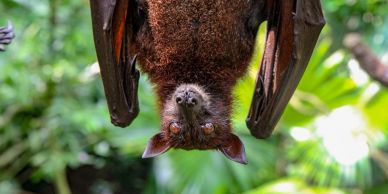
After dark, moths and bats take over the night shift for pollination. Nocturnal flowers with pale or white flowers, heavy with fragrance and copious dilute nectar, attract these nighttime pollinators. But not all moth pollinators are nocturnal; some moths are also active by day. Hawk moths or Morgan’s sphinx moths are adapted to pollinate certain types of orchids and the yucca plant depends on the yucca moth for its pollination needs.
The truth is that the world cannot survive without pollinators. Of the 1,400 crop plants grown globally, those that provide our food and many plant-based industrial products, nearly 80% rely on animal pollination. According to the US Department of Agriculture (USDA), more than half of the world’s dietary fats and oils come from animal-pollinated plants – crops estimated to be worth over $10 billion annually.
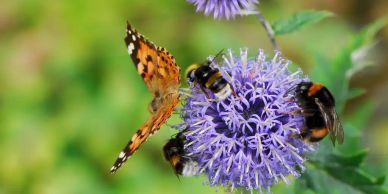
When we think of pollinators, the first image that comes to mind is usually bees, the most well-known and celebrated of them all. Yet, there are around 350,000 pollinator species across the world. These often unrecognized helpers play a crucial role in keeping our ecosystems functioning.
The truth is that the world cannot survive without pollinators. Of the 1,400 crop plants grown globally, those that provide our food and many plant-based industrial products, nearly 80% rely on animal pollination. According to the US Department of Agriculture (USDA), more than half of the world’s dietary fats and oils come from animal-pollinated plants – crops estimated to be worth over $10 billion annually.
After dark, moths and bats take over the night shift for pollination. Nocturnal flowers with pale or white flowers, heavy with fragrance and copious dilute nectar, attract these nighttime pollinators. But not all moth pollinators are nocturnal; some moths are also active by day. Hawk moths or Morgan’s sphinx moths are adapted to pollinate certain types of orchids and the yucca plant depends on the yucca moth for its pollination needs.
The truth is that the world cannot survive without pollinators. Of the 1,400 crop plants grown globally, those that provide our food and many plant-based industrial products, nearly 80% rely on animal pollination. According to the US Department of Agriculture (USDA), more than half of the world’s dietary fats and oils come from animal-pollinated plants – crops estimated to be worth over $10 billion annually.
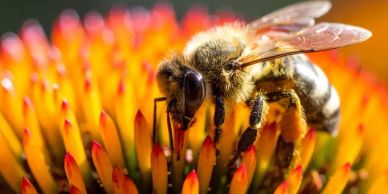
Pollinators include a wide range of animals, from insects like butterflies, moths, flies, and beetles to birds, bats, and even some lizards and small mammals.
Butterflies and moths are important pollinators. As butterflies sip nectar from flowers, pollen sticks to their legs and bodies. It then gets deposited on a different flower when they visit it.
After dark, moths and bats take over the night shift for pollination. Nocturnal flowers with pale or white flowers, heavy with fragrance and copious dilute nectar, attract these nighttime pollinators. But not all moth pollinators are nocturnal; some moths are also active by day. Hawk moths or Morgan’s sphinx moths are adapted to pollinate certain types of orchids and the yucca plant depends on the yucca moth for its pollination needs.
After dark, moths and bats take over the night shift for pollination. Nocturnal flowers with pale or white flowers, heavy with fragrance and copious dilute nectar, attract these nighttime pollinators. But not all moth pollinators are nocturnal; some moths are also active by day. Hawk moths or Morgan’s sphinx moths are adapted to pollinate certain types of orchids and the yucca plant depends on the yucca moth for its pollination needs.
After dark, moths and bats take over the night shift for pollination. Nocturnal flowers with pale or white flowers, heavy with fragrance and copious dilute nectar, attract these nighttime pollinators. But not all moth pollinators are nocturnal; some moths are also active by day. Hawk moths or Morgan’s sphinx moths are adapted to pollinate certain types of orchids and the yucca plant depends on the yucca moth for its pollination needs.
Maximize your space without compromising on sustainability—perfect for eco-conscious lifestyles.